
The Path from Nothingness to Freedom
Being and NothingnessThis thread tracks the book's evolving explanation of how negation, bad faith, and anguish reveal freedom.
increasing Bearing strength in each event
 decreasing
Bearing strength in each eventdecreasingNegative Replies
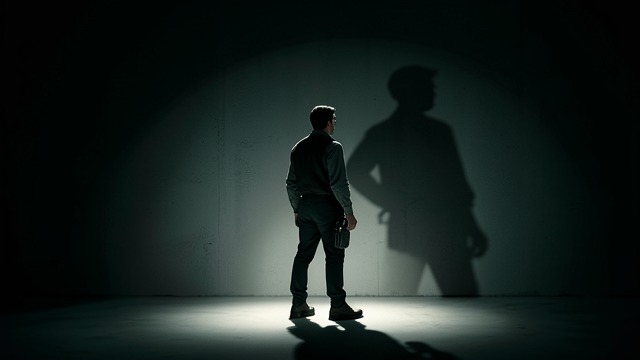
Negative Replies
Inquiry at Risk
A question places being between affirmation and negation. Its answer may disclose an absence that is more than a judgment.
Tension
The inquiry now needs an account of how nothingness can have efficacy without becoming a thing.
Questioning the Given

Questioning the Given
The Questioner Withdraws
Questioning and destruction require a human relation that can isolate a being from the rest of the world. The given is held in suspense.
Freedom's Emergence
This withdrawal cannot be explained as another determined effect. It points toward a being able to detach itself from the causal series.
Motives and the Gap
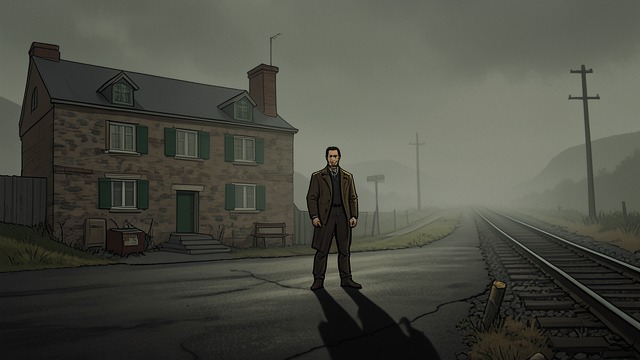
Motives and the Gap
No Mechanical Passage
A past resolution or present motive does not compel a future act. A nothingness separates the motive from the action it seems to demand.
Consequence
The gap is not an external obstacle. It belongs to consciousness as the freedom that must continually sustain its possibilities.
Bad Faith's Evasion
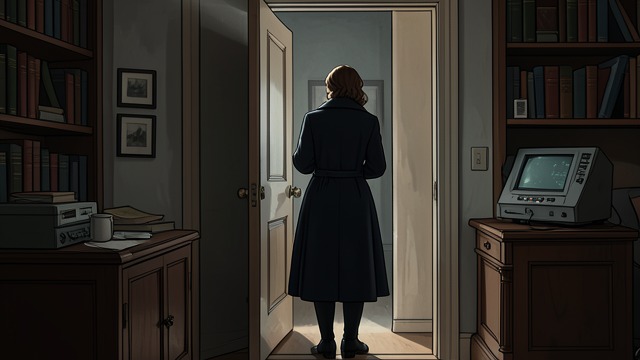
Bad Faith's Evasion
A Self-Directed Lie
Bad faith tries to hide freedom from itself by treating a role or a trait as fixed being. Yet the evasion depends on knowing what it flees.
Conflict
Consciousness can neither become a thing nor escape the fact that it exceeds every identity it claims.
Freedom in Anguish

Freedom in Anguish
No Foundation
Freedom is not a property added to a finished person. It is the being through which the person must choose and sustain a way of being.
Pressure
The absence of an excuse makes freedom anguishing, while the temptation to treat oneself as determined returns the person to bad faith.
Part One, Chapter One, opening
Part One, Chapter One, Section II
Part One, Chapter One, final discussion
Part One, Chapter Two
Part Two, Chapter One, return to freedom
